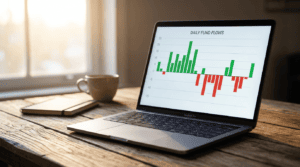

When a headline says XRP ETF demand is growing, it is almost always pointing at one number: net inflows. As of October 16, 2026, the five US spot XRP ETFs tracked by SoSoValue had taken in $1.80 billion in cumulative net inflows and held $1.47 billion in net assets. On that same day the group also logged a $2.47 million net outflow, so whether demand is growing depends on the window a headline picked.
What an XRP ETF demand headline actually measures
A net inflow is the dollar value of fund shares created minus shares redeemed. Authorized participants create shares in fixed blocks called baskets.
Franklin Templeton publishes the basket size for its Franklin XRP ETF (XRPZ) daily. On October 16, 2026 one basket equalled 542,653.76 XRP, and the fund held 301,795,330.58 XRP in total. That XRP-in-fund line only rises when new shares are created, which makes it the most direct demand measure.
Video: ETFcom
Trading volume is a different thing. The $27.65 million traded across the five funds on October 16 was mostly existing shares changing hands, with no new XRP bought unless creations followed.
The five US spot XRP ETFs side by side
| Ticker | Sponsor | Exchange | Fee | Cumulative net inflow | Net assets |
|---|---|---|---|---|---|
| XRP | Bitwise | NYSE | 0.34% | $684.73M | $541.12M |
| XRPZ | Franklin Templeton | NYSE | 0.19% | $512.80M | $390.92M |
| XRPC | Canary | Nasdaq | 0.50% | $484.34M | $315.50M |
| TOXR | 21Shares | Cboe | 0.30% | -$21.15M | $139.02M |
| GXRP | Grayscale | NYSE | 0.35% | $145.38M | $84.86M |
Source: SoSoValue US XRP Spot ETF dashboard, data as of October 16, 2026. Fees are the listed sponsor fees and may differ from any temporary waiver.
Why inflows and assets do not match
Roughly $1.8 billion went in, yet the funds hold roughly $1.47 billion. Most of that gap is the XRP price moving after the dollars arrived.
Franklin reports XRPZ down 34.25% since its November 24, 2025 inception, as of its October 2026 fund page. A week of record inflows can sit next to shrinking assets.
TOXR is the odd row: negative cumulative inflows, yet $139 million in assets. The aggregator table cannot explain that, so open the issuer’s own documents before drawing a conclusion.
What demand claims leave out
Scale goes missing first. SoSoValue’s XRP share column for the five funds adds up to about 1.78% of XRP’s market cap. Concentration in large wallets is covered in our XRP rich list breakdown.
Daily flows also carry no investor names; institutional holder filings arrive quarterly, weeks after the fact.
And a headline can quote a $26 million inflow day while skipping the outflow days around it. The same trap shows up in Ethereum fund coverage, which is why the method in how to read daily Ethereum ETF flow data applies here almost unchanged.
How to check an XRP ETF demand claim yourself
- Note the date and window the claim uses: one day, one week or since launch.
- Open the aggregator page and read the daily, cumulative and net asset figures for that same date.
- Open at least one issuer page and compare XRP held against the prior week.
- Set the flow next to the price over the same window using a live XRP price tracker, because dollar flows and price can move in opposite directions.
XRP ETF demand questions
Is XRP ETF demand growing right now?
It depends on the window. Cumulative net inflows were $1.80 billion as of October 16, 2026, but that day itself showed a $2.47 million net outflow. Check the weekly trend, not a single session.
Do ETF inflows push the XRP price up?
Creations require the issuer to hold more XRP, which adds buying, but price also reacts to every other market. Inflows are one input, not a forecast, and no flow figure guarantees a price move.
Where do XRP ETF issuers publish their holdings?
On each fund’s own product page, which lists holdings and basket data. Franklin Templeton updates XRP in fund and XRP per basket daily for XRPZ.

Charles Benkovich is the Crypto Editor at Hold Hub. He covers Bitcoin, Ethereum, XRP, and macro-driven market analysis with a focus on on-chain data over price speculation. His editorial standard: claims are sourced or labeled as analysis, and the site takes no payment to cover any project.